
Portrush Pride – 1 August 2026
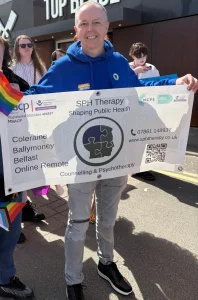
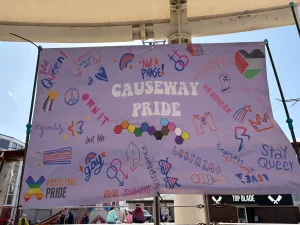
This weekend I had the privilege of attending Portrush Pride 2026, joining hundreds of people celebrating love, authenticity, diversity, and community. It was a joyful day filled with colour, laughter, music, and connection, and I'm delighted to share some photographs from the event below.
For me, Pride is much more than a celebration. As a counsellor and psychotherapist, it is also a reminder of the importance of creating spaces where every person can feel safe, accepted, and valued exactly as they are.
Pride and Mental Health
Many LGBTQ+ people continue to experience discrimination, rejection, bullying, and prejudice. These experiences can have profound effects on mental health, contributing to anxiety, depression, trauma, isolation, and reduced self-worth.
The role of therapy is not to tell people who they should be. It is to provide a compassionate, non-judgemental space where individuals can explore their experiences, understand themselves more fully, and move towards living authentic lives.
Everyone deserves to access therapy without fear of judgement or hidden agendas.
In the Shadow of Hate
While Pride events are celebrations of visibility and equality, they also remind us that hatred and violence have not disappeared. The recent attack at a Pride event in Berlin has been deeply distressing and serves as another painful reminder that LGBTQ+ communities continue to face threats simply for gathering in celebration of their identities. My thoughts are with everyone affected by acts of hatred and violence.
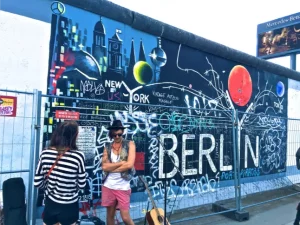
These events reinforce why solidarity matters. Standing alongside LGBTQ+ communities is not a political statement—it is a statement about humanity, dignity, and the right of every person to live free from fear.
Supporting LGBTQ+ Clients in Counselling and Psychotherapy
Affirmative therapy is not a specialist service—it is an ethical responsibility.
Research consistently shows that LGBTQ+ people experience higher rates of mental health difficulties, not because of their identity, but because of the discrimination, stigma, rejection and minority stress they may encounter throughout their lives.
Many LGBTQ+ clients come to therapy carrying experiences such as:
- Family rejection or estrangement.
- Bullying, harassment or hate crime.
- Internalised shame or stigma.
- Religious or cultural conflict.
- Workplace discrimination.
- Relationship or identity concerns.
- Anxiety, depression or trauma related to minority stress.
- Questions around gender identity, transition or coming out.
For many, therapy may be the first place where they feel truly accepted without judgement.
As therapists, our role is not to direct someone's identity or influence the outcome of their self-exploration. Rather, we are called to create a safe, respectful and collaborative therapeutic relationship where clients can explore their experiences freely and develop a stronger sense of self.
Affirmative practice means recognising and respecting each person's unique identity, listening with curiosity rather than assumption, and ensuring that our own personal values never become barriers to effective therapeutic care.
Why Training Matters
Professional competence requires ongoing learning.
Every counsellor and psychotherapist should have access to high-quality education in gender, sexual and relationship diversity as part of their initial training and continuing professional development.
This includes understanding:
- Sexual orientation and sexual diversity.
- Gender identity and gender diversity.
- Minority stress and its impact on wellbeing.
- The effects of discrimination and exclusion.
- Inclusive and respectful language.
- Current ethical guidance and evidence-informed affirmative practice.
Therapists should also engage in reflective practice and supervision to identify any conscious or unconscious biases that could affect their work.
Clients deserve therapy that is free from discrimination and free from any agenda that presents one sexual orientation, gender identity or gender expression as more acceptable or desirable than another.
Conversion Therapy
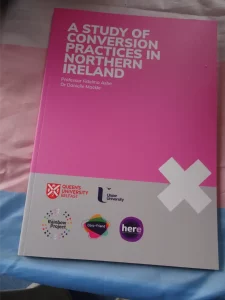
Over many years, evidence and the lived experiences of survivors have highlighted the significant harm associated with conversion therapy and practices intended to suppress or change a person's sexual orientation or gender identity.
As a counsellor and psychotherapist, I believe these practices have no place in ethical therapy.
Therapy should support exploration, self-understanding and autonomy—not attempt to change who someone is.
Every person deserves access to therapy that is compassionate, evidence-informed and respectful of their identity.
Helpful Organisations and Support
If you are looking for information, support or community, the following organisations provide valuable resources for LGBTQ+ people and their families.
Northern Ireland
The Rainbow Project
Supporting LGBTQIA+ people across Northern Ireland through health improvement, counselling, sexual health services, advocacy and community development.
https://www.rainbow-project.org
Cara-Friend
Provides befriending, family support, youth services and wellbeing support for LGBTQ+ people across Northern Ireland.
https://cara-friend.org.uk
HERe NI
A community organisation supporting lesbian and bisexual women and LGBTQ+ women through advocacy, health initiatives and community programmes.
https://www.hereni.org
United Kingdom
Stonewall UK
Campaigns for equality and provides extensive information on LGBTQ+ rights, education and inclusion.
https://www.stonewall.org.uk
MindOut
A mental health service run by and for LGBTQ+ people offering advocacy, peer support and wellbeing resources.
https://mindout.org.uk
Galop
Supports LGBTQ+ people affected by hate crime, abuse, sexual violence and domestic abuse.
https://galop.org.uk
A Final Reflection
Pride is about far more than rainbow flags and celebrations.
It is about recognising every person's right to live authentically, safely and without fear.
As counsellors and psychotherapists, we have an ethical responsibility to provide therapeutic spaces where diversity is respected, dignity is protected and every client feels seen, heard and valued.
Supporting LGBTQ+ people is not about promoting one identity over another—it is about promoting equality, compassion and human dignity.
I remain committed to providing an inclusive, affirming and evidence-informed counselling service where every person is welcomed with respect, regardless of their sexual orientation, gender identity or gender expression.
Equally important is recognising and managing our own personal beliefs, assumptions, and biases. Therapy should never be influenced by an agenda that presents one sexual orientation or one gender identity as preferable, healthier, or more acceptable than another.
Clients deserve therapists who approach their work with openness, humility, respect, and evidence-informed practice.
Equally important is recognising and managing our own personal beliefs, assumptions, and biases. Therapy should never be influenced by an agenda that presents one sexual orientation or one gender identity as preferable, healthier, or more acceptable than another.
Clients deserve therapists who approach their work with openness, humility, respect, and evidence-informed practice.
I hope that one day everyone will be able to live openly, love freely, and access healthcare—including therapy—without fear of discrimination or prejudice.
Until then, I will continue to stand with the LGBTQ+ community, not only during Pride, but throughout the year.
If you are looking for a counsellor or psychotherapist who offers an inclusive, affirming, and non-judgemental space for adults from all backgrounds,
Please feel free to get in touch to learn more about my practice.